
Biweekly pay (every other week) creates twenty-six paychecks a year. That rhythm does not match calendar months perfectly. Some months you receive two paychecks; some months you receive three. If an installment draft hits when your balance is low, you can trigger bank overdraft costs and lender return fees.
This article shows how to budget on a biweekly cycle, use zero-based planning, align due dates with paydays, and keep a small emergency buffer. Examples refer to installment payments such as those on a Minto Money loan (amounts $200–$3,000, terms often 10–18 months). Fee reminders: NSF $30 and late $20 after 5 days per Rates and Terms.
Three-Paycheck Months
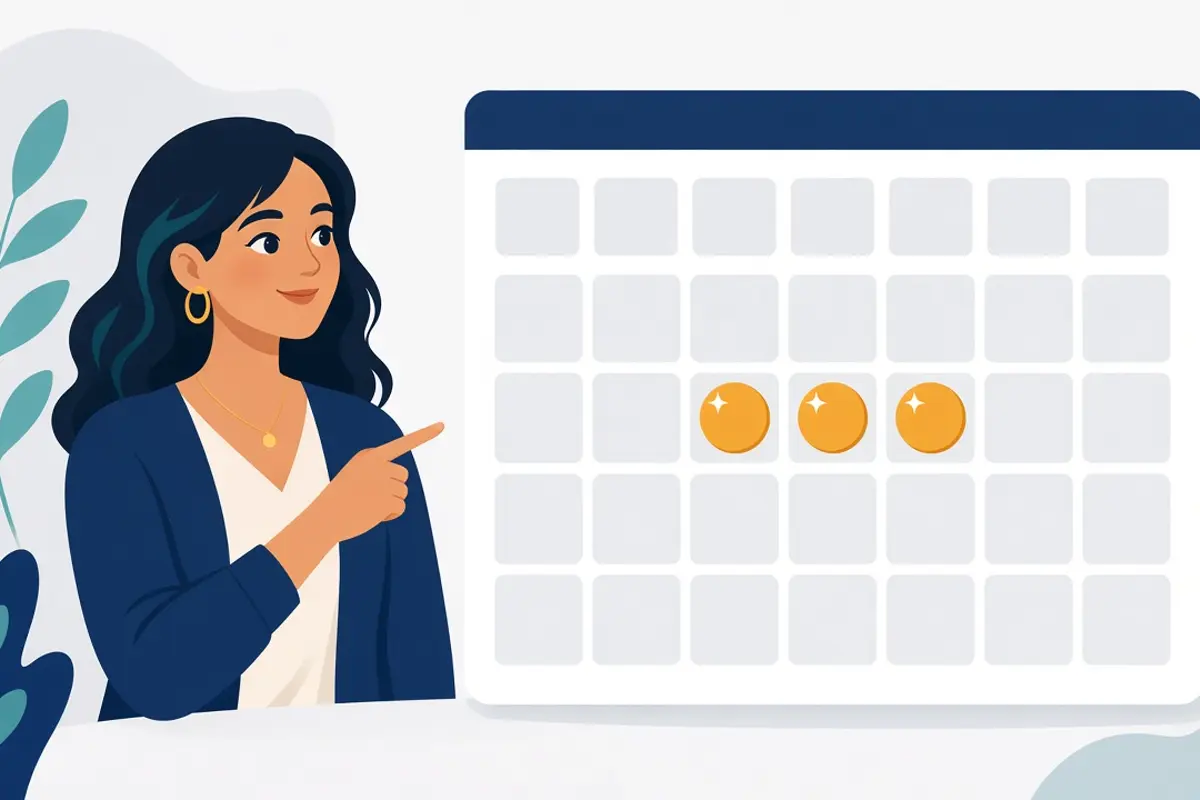
In a biweekly cycle, most months have two paydays. About twice a year, a month contains three paydays.
Why it matters - If you budget as if every month has only two paychecks, the third paycheck feels like "bonus" money and disappears. - If loan payments, rent, and utilities are all modeled on a two-paycheck month, three-paycheck months are your chance to catch up or pre-fund a buffer.
Practical approach 1. Mark all paydays for the next six months on a calendar. 2. Circle months with three paydays. 3. Decide in advance that paycheck #3 goes first to: past-due bills, then emergency buffer, then extra loan principal if you choose (see early payoff savings). 4. Do not raise your lifestyle floor based on three-paycheck months.
Write the plan where you will see it on payday morning.
Zero-Based Budgeting on a Biweekly Rhythm
Zero-based budgeting means every dollar of a paycheck gets a job until nothing is unassigned. On biweekly pay, build a per-paycheck plan rather than only a monthly plan.
Per-paycheck skeleton - Giving / donations you already committed (if any) - Rent or mortgage share (see split method below) - Utilities share - Groceries - Transportation - Minimum debt payments due before the next payday - Installment loan payment if it drafts in this pay window - Buffer / savings - Flexible spending last
Split the monthly bills If rent is due once a month, divide it across the two (or three) paychecks that fall before the due date. Move each share to a separate savings pocket or second account the day payday hits.
Tools - Envelope method (digital or cash) - Spreadsheet with one column per payday - Bank "buckets" or sub-accounts
The point is not perfection. The point is that your Minto Money ACH date never arrives as a surprise.
Align Payment Dates with Your Pay Cycle
Installment lenders often schedule payments around your pay frequency. Still, confirm:
- Whether drafts occur the same day as payday or a day later
- How weekends and banking holidays move the debit
- Whether you can request a due-date adjustment if your employer changes payday
Alignment checklist 1. Open your loan agreement payment schedule (reading guide). 2. Compare each due date to your payroll calendar for the next 90 days. 3. Set a phone reminder for the evening before each draft. 4. If timing is chronically off, contact Customer Care at (844) 446-8686 or [email protected] via Contact Us to ask what change options exist. 5. Keep a written note of any new schedule.
Misalignment is a leading cause of NSF events. Pair this section with how to avoid NSF fees.
Build an Emergency Buffer (Even a Small One)
A buffer is cash that sits between your paycheck and your ACH draft. Start smaller than you think:
- Goal 1: one installment payment amount
- Goal 2: one payment plus a week of groceries
- Goal 3: one month of essential bills
Park the buffer in a savings account linked to—but not constantly spent from—your checking account. Automate a small transfer on every payday, including three-paycheck months.
Buffer rules - Use it only for true emergencies or to cover the loan draft when income is late. - Refill it as the first job of the next paycheck. - Do not treat it as entertainment money.
If you cannot fund both necessities and the installment payment, revisit alternatives and hardship ideas and steps if you cannot pay before fees stack.
A Sample Biweekly Week Map
Payday day 0 - Confirm paycheck deposited. - Move rent share, utilities share, and buffer transfer. - Confirm upcoming loan draft date and amount in your portal.
Days 1–3 - Buy groceries from the assigned envelope only. - Avoid large discretionary purchases until after the loan draft clears.
Draft day - Verify the ACH posted. - Log the payment in your tracker.
Days after draft - Spend only from remaining flexible money. - Note any employer schedule changes.
This map is educational—not a personal financial plan. Adjust dollar categories to your household.
Common Biweekly Budget Mistakes
- Treating "credit available" on a card as part of the paycheck plan
- Ignoring bank holds that make a deposit unavailable until tomorrow
- Forgetting annual expenses (tires, school fees) that smash a single pay period
- Skipping balance alerts because "I usually have enough"
- Stacking multiple ACH bills on the same morning without a buffer
Set low-balance alerts in your banking app. Many people prevent NSF fees with a $100–$200 alert threshold—pick a number that matches your payment size.
Handling Irregular Income on a Biweekly Frame
Not every household has tidy salaried deposits. Tips, overtime, rideshare pay, and seasonal work move around. If that is you:
- Budget loan payments from your lowest typical two-week income, not from your strongest week.
- Park overtime and tips in the buffer until it reaches one full installment payment.
- When a lean week arrives, the buffer—not a hope of tips—covers ACH.
- Tell Customer Care early if a seasonal layoff is coming; ask what documentation helps.
Irregular income is one reason people hit NSF fees even when they "usually" earn enough across a month. A biweekly plan based on the floor protects you better than a monthly average that hides dry weeks.
Sharing the Plan with Another Adult
If you share finances, a budget only works when both adults see the same calendar:
- Agree which paycheck covers the installment draft.
- Agree what "buffer" means in dollars.
- Agree that three-paycheck months refill savings before lifestyle upgrades.
- Keep official lender numbers in a shared note to avoid scam callbacks.
Silent assumptions ("I thought you transferred rent") cause more returned payments than math errors. A ten-minute Sunday check-in prevents expensive surprises. For what to do when a shortfall is already likely, read avoiding NSF fees and can't make a payment.
Key Takeaways
- Biweekly pay creates occasional three-paycheck months—plan them on purpose.
- Zero-based, per-paycheck budgets assign every dollar before you spend.
- Align installment due dates with payroll and remind yourself the night before ACH.
- A small buffer protects against NSF ($30 at Minto Money) and late fees ($20 after 5 days).
- If the payment no longer fits necessities, contact the lender early and review hardship options.
Steady paydays plus clear due dates make installment credit more manageable. For product context and fee tables, visit the Minto Money homepage and Rates and Terms, and keep Contact Us saved for schedule questions.
Review the details before you decide
See loan amounts, fees, and APR context on our rates page, or read more borrower guides on the blog.
View rates & terms Back to all articles