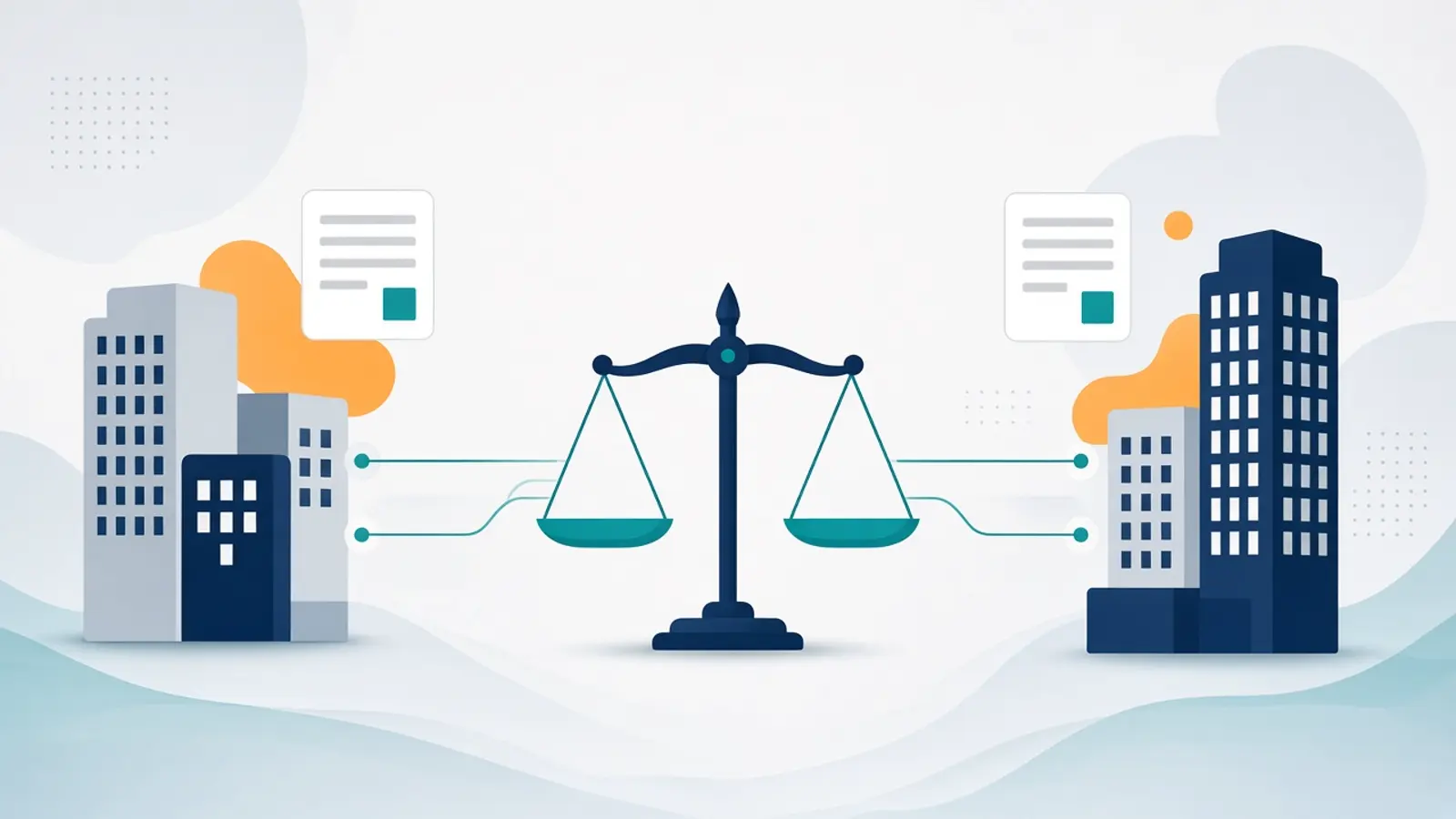
When you shop for an online installment loan, you may see the phrase "tribal lender." That label can feel confusing if you have only borrowed from banks, credit unions, or state-licensed storefronts. You want clear answers: who makes the rules, what protections you still have, and what to ask before you sign.
This guide explains tribal lending in plain language. It is general education—not legal advice—and it is separate from the company statement on our About page. You will learn what sovereignty means for a tribally owned lender, how tribal law and state law differ, which federal laws can still apply, how borrower complaint channels often work, and which questions help you decide with eyes open.
By the end, you should feel more prepared to read disclosures, compare options, and contact a real support channel if something looks wrong.
What Tribal Sovereignty Means
Federally recognized tribes are sovereign governments. Sovereignty means a tribe can make and enforce many of its own laws, run its own courts and agencies, and operate tribally owned businesses under tribal law. That framework is older than state licensing systems and sits alongside—not identical to—state consumer finance rules.
A tribally owned lender is typically owned or controlled by a tribe (or a tribal economic entity) and offers consumer credit under that tribe's financial services code plus applicable federal law. Minto Money operates as a tribally owned installment lender under tribal law and applicable federal law. The product is an online installment loan—usually repaid in scheduled payments over months—not a single-payment payday loan or a title loan secured by a vehicle.
Sovereignty does not mean "no rules." It means the primary rulebook for the lending program is often tribal law, with federal consumer statutes still in the picture depending on the product and facts. For borrowers, the practical takeaway is simple: read your agreement carefully, know which law your contract says governs, and keep official contact details handy so you are not relying on random search results or social posts.
If you want a short product overview before you dig into law, start at the Minto Money homepage and then return here for the sovereignty context.
Tribal Law vs State Law

State-licensed lenders usually follow that state's lending statutes, rate and fee frameworks (where they exist), licensing exams, and state agency complaint processes. Tribal lenders often operate under a tribal consumer financial services code instead of state lending licenses. That difference is why availability, disclosures, and dispute paths can look different from a neighborhood bank loan.
Here is a practical comparison—not a legal conclusion for every case:
| Topic | Typical state-licensed lender | Typical tribally owned lender |
|---|---|---|
| Primary licensing / code | State agency license | Tribal regulatory code / tribal license |
| Governing law in contract | Often state law named in the agreement | Often tribal law named in the agreement |
| Product examples | Bank installment, credit union loan, storefront | Online installment under tribal program |
| State "rate cap" framing | May be shaped by state statutes | Contract and tribal code drive terms; confirm in your disclosures |
| Complaint starting point | State regulator + lender | Tribal regulatory body + lender; federal agencies may also take consumer reports |
None of this replaces reading your Truth in Lending disclosures and loan agreement. Terms for Minto Money installment loans—amounts from $200 to $3,000 and typical terms of 10–18 months—are summarized on Rates and Terms. Exact APR and payment amounts appear in the offer you receive, not as a single number for every borrower.
Be careful with internet summaries that mix "tribal payday" headlines with installment products. Structure matters: repayment schedule, collateral, and fees can differ even when people use the same buzzwords.
Federal Laws That Still Apply
Even when tribal law is central to a lending program, federal consumer protection laws can still matter. Exact application can depend on the product, the parties, and the facts—so treat this as a map of topics to watch, not a guarantee of every remedy in every dispute.
Common federal themes borrowers should know by name:
- Truth in Lending Act (TILA) and Regulation Z style disclosures: amount financed, finance charge, APR, payment schedule, and total of payments in a clear box format before you sign.
- Electronic Signatures in Global and National Commerce Act (ESIGN) concepts: electronic consent, how you receive disclosures online, and how to get paper copies when the process allows. See also E-Consent.
- Equal Credit Opportunity Act (ECOA) themes: nondiscrimination in credit decisions based on protected characteristics.
- Fair Debt Collection Practices Act (FDCPA) themes: if a third-party collector contacts you, certain conduct rules may apply. For high-level consumer guidance, see the Consumer Financial Protection Bureau at consumerfinance.gov.
- Privacy and data practices: financial institutions explain how they collect and share information; review Privacy Policy and Data Collection.
Federal agencies and educational pages help you understand your rights in general. They do not replace your contract or tribal dispute steps. If someone claims "federal law never applies to tribal loans," treat that as a red flag and verify with primary sources and your written agreement.
For scam-related reporting, the Federal Trade Commission maintains consumer guidance at ftc.gov. Pair that with our article on verifying official Minto Money channels.
Borrower Rights and Complaint Channels
Your first rights are contractual and disclosure-based: you should receive clear cost information before you sign, keep copies of what you agreed to, and use official contact channels for account questions.
Practical steps when something feels wrong:
- Write down facts. Dates, amounts, emails, caller IDs, and screenshots of pages you used.
- Contact the lender first. Use numbers and email listed on Contact Us—Customer Care (844) 446-8686 or [email protected]—not a number from an unsolicited text.
- Ask for the dispute path named in your agreement and on the About page. Tribally owned lenders often point borrowers to a tribal financial services licensing or regulatory commission process. Company-specific steps live under About — Your Rights.
- Keep communicating in writing when you can. Email or portal messages create a record.
- Know federal consumer report options. Agencies such as the FTC and CFPB accept consumer complaints for many financial issues; use them as education and reporting tools while you also follow tribal and contractual steps.
Rights also include understanding payment rules before trouble starts. For example, Minto Money lists a late fee of $20 after 5 days past due and an NSF fee of $30 for returned payments on Rates and Terms. Early payoff has no penalty when you give 3 business days' notice—details in early payoff savings.
If you cannot pay on time, act before the due date. See Can't make a loan payment.
Questions to Ask Before You Borrow
Use this checklist whether you are comparing a tribally owned lender or any other installment offer:
- Who owns the lender, and which law governs the loan? Look for plain language in About pages and in the agreement's governing-law section.
- What is my exact APR, finance charge, payment amount, and number of payments? Those belong in the TILA disclosure box—not only in marketing blurbs.
- How will payments be collected? ACH from a checking account is common for online installment loans; prepaid cards are not accepted for Minto Money applications.
- What fees apply if a payment is late or returned? Confirm late and NSF amounts in writing.
- Can I pay off early, and what notice is required? Confirm any notice window and whether a penalty applies.
- Where do I complain if we disagree? Get Lender contact, tribal regulatory contact if listed, and keep federal consumer resources bookmarked.
- Is this product structured as an installment loan, payday loan, or title loan? Compare structures in Installment vs. payday vs. title loans.
- Have I checked lower-cost alternatives first? Credit union options, hardship plans, and community help are covered in alternatives before borrowing.
Taking ten quiet minutes with these questions often prevents expensive surprises.
Key Takeaways
- A tribally owned lender operates under tribal law plus applicable federal law; sovereignty means a tribal rulebook, not "no rules."
- State licensing frameworks and tribal regulatory codes are different systems—always read your governing-law and disclosure pages.
- Federal themes such as TILA disclosures, e-consent, ECOA, privacy notices, and collection-conduct rules still matter for many consumers.
- Start disputes with official lender contacts, then follow the tribal process named in your materials; federal .gov sites can help you report and learn.
- Ask about APR, fees, ACH, early payoff notice, and complaint paths before you sign—not after the first draft hits your account.
Tribal lending can sound abstract until you translate it into paperwork, payment dates, and phone numbers you trust. When you are ready to review product basics, fees, and how to apply, return to the Minto Money homepage or dig into Rates and Terms and About for company-specific statements that sit alongside this educational overview.
Review the details before you decide
See loan amounts, fees, and APR context on our rates page, or read more borrower guides on the blog.
View rates & terms Back to all articles